
CCTV Installation
One of the things that I have learned in my internship is the handling of IP Cameras deployed around De La Salle University. This is one of the things that helped me solidify my networking knowledge; things like port-forwarding, network scanning, Power-over-Ethernet (PoE) concepts, and cabling.
With the recent house renovations, I was able to install conduits across the house – in this way, there’s no need for me to drill holes in the walls for my ethernet cables. Then again, the problem with powering the CCTV arises, so I bought POE swith (TL-SG108PE) – such decision was made alongside my intent to power may Raspberry Pi 4B using PoE as well. It has 8 gigabit ports and 4 of them are POE+ ports which mean it can handle 30 watts individually; however, the switch can only supply up to 64 watts total. As per my research, the CCTV I bought consume only 6-15 watts so it should be fine.
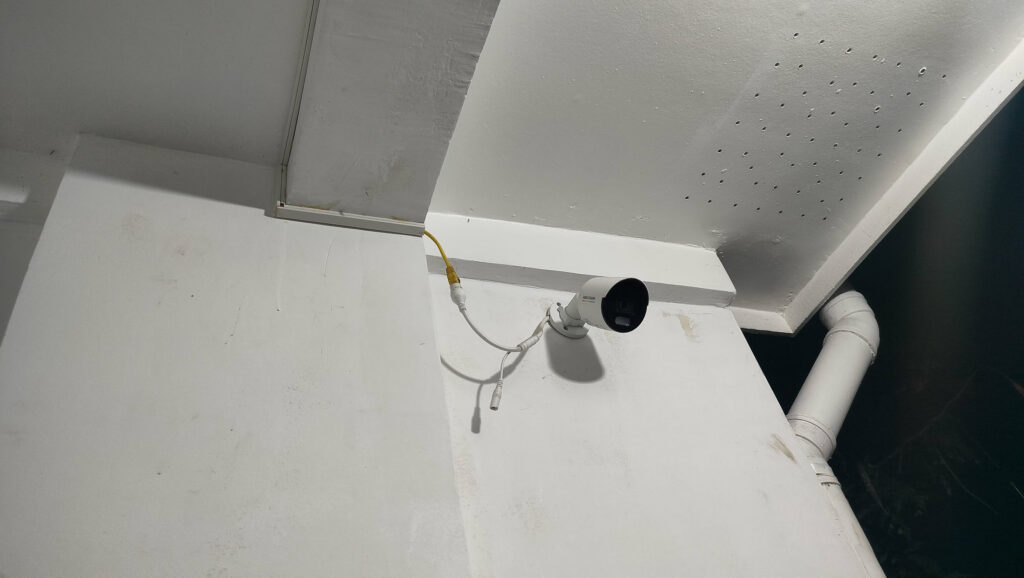
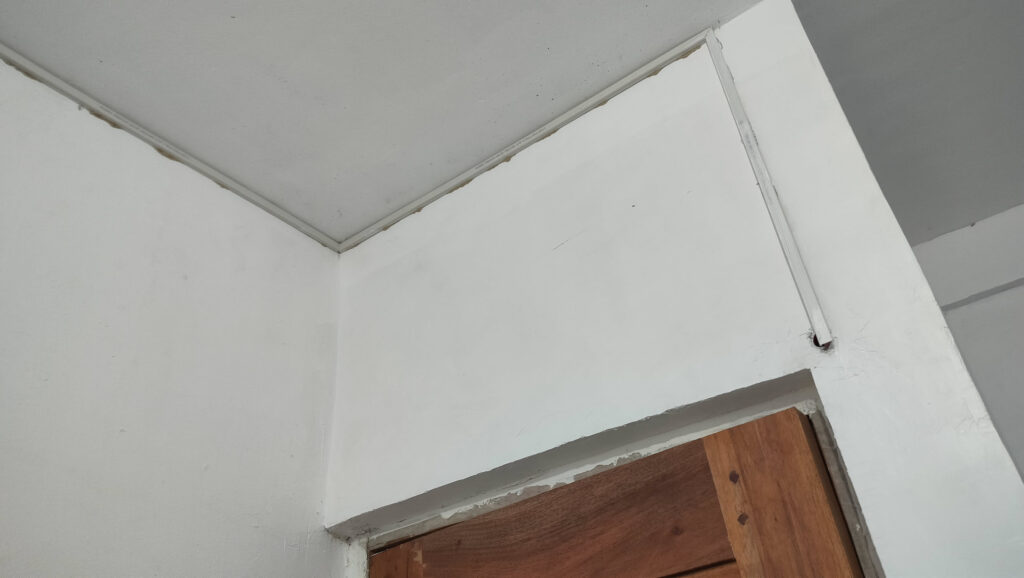


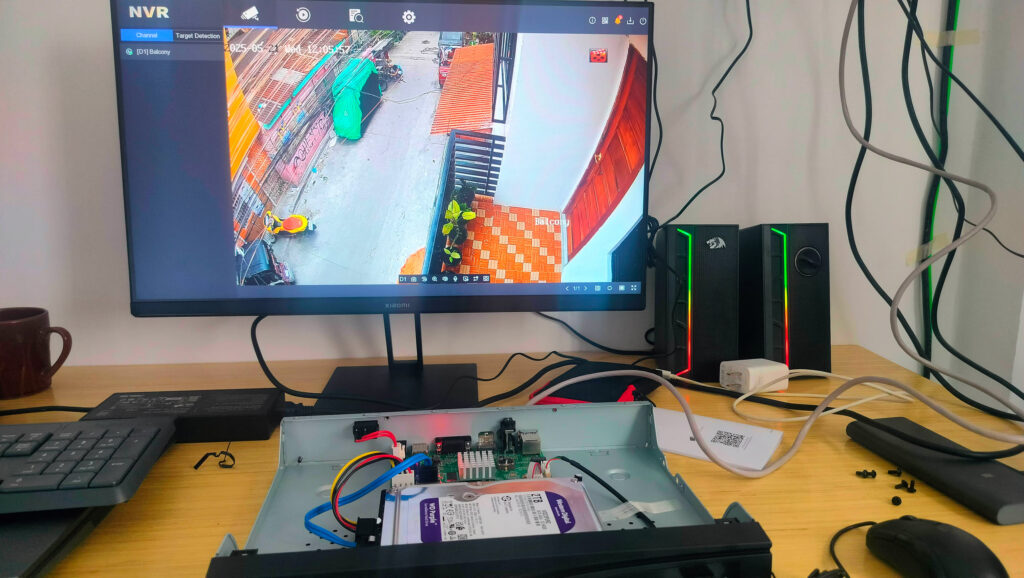
In terms of recording footages, I was torn between buying a high endurance SD card, since the CCTV has a slot for it, or a network video recorder (NVR) with 3.5” HDD hooked up. I ended up going with the NVR option since I read that SD cards are prone to corruption especially in harsh outside environments. The NVR consumes a lot of space – it’s poor design for me. There are a lot of empty space inside and this was probably due to the location of the ports. Nevertheless, I think this design has it’s own use case, probably in 19″ server racks.
The reviews recommended the me to buy WD Purple for my playback storage so I bought the 2TB variant. I computed the number of whole edit footages that can be recorded, and it turns out to be around 100 days which is quite good enough.
The installation process was quite exhausting especially since I have to do the gluing of the conduit near the ceiling. Thankfully, I did not have to deal with powering the CCTV with a dedicated cable. But then, I had to teach the people in the house how to use them. I was originally planning only on using VLC player + Tailscale to access the video stream, but I ended up using the proprietary software HikConnect, which uses a tunnel to their Hkvision’s reverse proxy (probably), since it is much more efficient – I’m just concerned with the security.